
Binance confirms a security incident after about $6.3bn in crypto was stolen
Binance, the world's biggest crypto exchange, says hackers took around $6.3 billion in the largest crypto theft on record, and has paused withdrawals. The company says customer funds are safe and it will cover the losses.
What happened
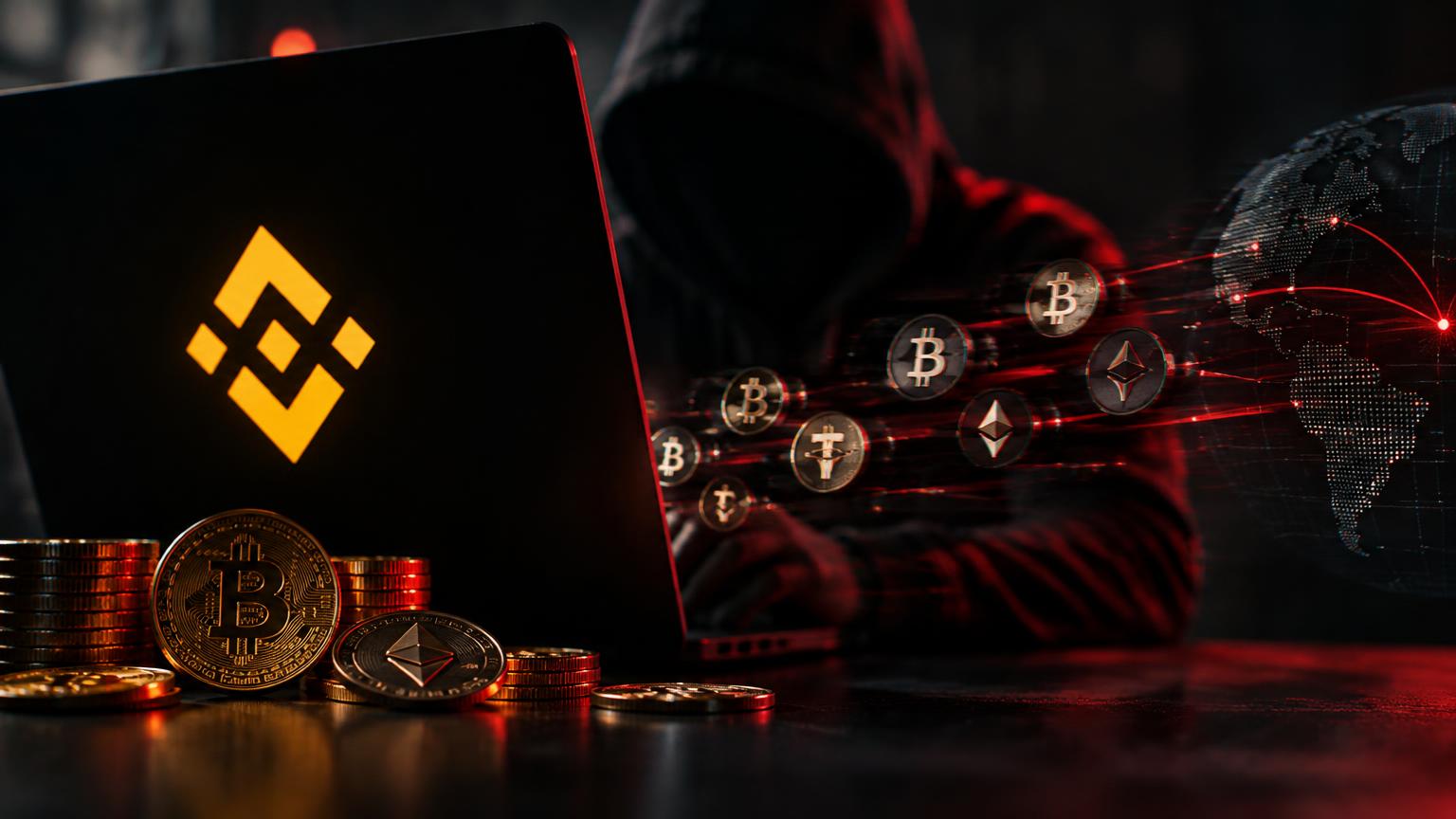
On Thursday 29 October, hackers moved roughly $6.3 billion in cryptocurrency out of Binance wallets, according to Binance's own estimate reported by CoinDesk. Blockchain analysts TRM Labs put the figure at about $6.36 billion, moved across ten different blockchains in around 20 minutes. Binance confirmed a security incident and has suspended withdrawals while it deals with it. Sky News reported the theft as the largest in the history of the crypto industry.
This is a global story and not UK-specific. None of the sources we read mention UK customers, and we are not claiming any UK people were affected.
What we know
- Binance says it has found no evidence that any wallet private keys leaked. Its early findings point to a compromised laptop belonging to a DevOps engineer, which may have let the attacker send unauthorised withdrawals. The investigation is still going (CoinDesk).
- Binance says user funds are safe. Its co-CEO has said the company will cover all hacking losses, using its emergency fund for users (known as SAFU, said to hold roughly $1 billion) plus company money.
- Around $2.7 billion to $3 billion has been frozen, mostly stablecoins frozen by issuers such as Tether and Circle. TRM estimates the attacker still holds about $2.4 billion.
- Security firms TRM Labs and Blockaid point to North Korea's TraderTraitor group. These are analyst assessments, not an official finding.
- Withdrawals are paused. Binance says they will restart once the security issue is fixed, but has given no date.
What we don't know yet
- How the attackers really got in. Binance has not published a final cause.
- When withdrawals will resume.
- Whether the promised cover for losses will reach every affected customer in full, and how quickly.
- How many customers, in the UK or anywhere else, were affected, if any.
- Whether the attribution to North Korea will be confirmed by law enforcement.
What you can do
- If you hold crypto on Binance, rely only on Binance's official website and verified social accounts for updates. Do not trust links in messages, replies or ads.
- Expect scams. Fake "withdrawal recovery", "compensation" or "verify your wallet" emails, texts and social media posts commonly follow big crypto incidents. Binance will not need your password, two-factor codes or recovery phrase to pay you back.
- Never share your recovery phrase or one-time codes with anyone, including anyone claiming to be Binance support.
- Make sure your account has two-factor authentication turned on and a strong, unique password, and check for any login or withdrawal alerts you do not recognise.
- Report scam texts to 7726 and scam emails to report@phishing.gov.uk. If you have lost money to a scam, report it to Report Fraud (0300 123 2040 or reportfraud.police.uk).
- Remember that crypto is largely unregulated in the UK and is not covered by the Financial Services Compensation Scheme, so Binance's own promise to cover losses is what customers are relying on.
Sources
CoinDesk: Binance loses over $6 billion in the largest crypto hack to dateTRM Labs: North Korea steals USD 6.36 billion from Binance in the largest hack in historySky News: Crypto industry suffers 'largest bank heist in human history'Seen a scam? Report it.
Forward texts to 7726, emails to report@phishing.gov.uk, and report fraud to Report Fraud (formerly Action Fraud) on 0300 123 2040.