
Fake British Gas email says you have credit and sends you to a copycat site
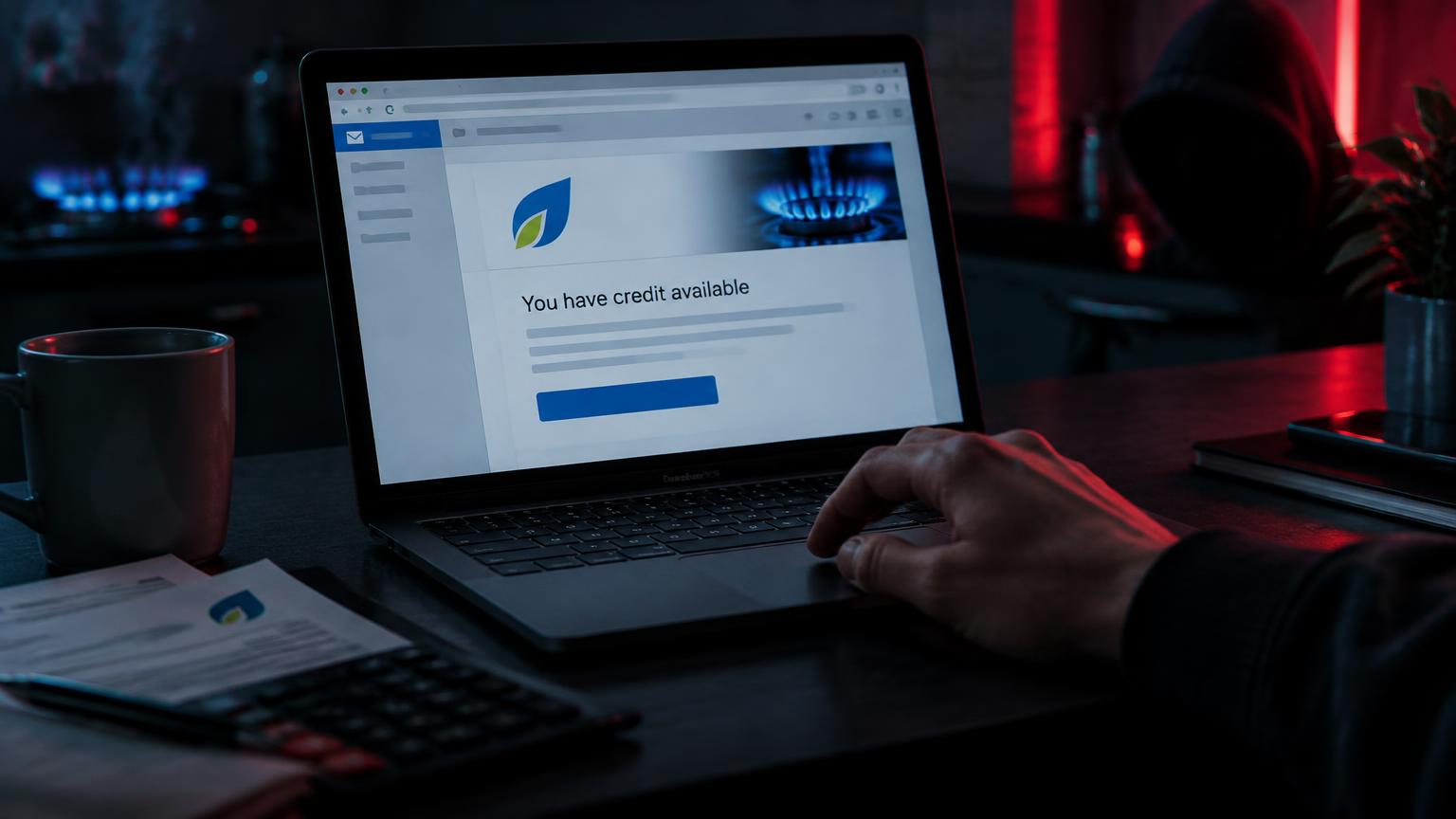
Which? has warned about an email that claims you have credit available with British Gas and offers a "submit a refund request" button. The button leads to a fake British Gas website that collects your details.
What happened
Which? flagged a phishing email on 3 November that pretends to come from British Gas. The message tells you that you have credit available on your account and invites you to claim it using a button labelled "submit a refund request".
Which? reports that the British Gas logo in the email looks accurate, but the sender's name shows the message did not come from British Gas. The button does not go to the real company. It leads to a fake British Gas website that is set up to collect your details. The warning came from Which? scam alerts, and the email reaches people by email rather than by text or phone.
How the scam works
- An email arrives that looks like it is from British Gas, with the company logo, saying you have credit available.
- It offers an easy fix: press the button to submit a refund request.
- The button takes you to a website made to look like British Gas.
- That fake site asks you for your details. Which? says the site collects them, and the scammers then have whatever you typed in.
- With details like these, criminals can try to get into your accounts, send you further convincing messages, or try to take money.
The sources do not say exactly which details the fake site asks for, so treat any request for personal or payment information on a page you reached from an email as a warning sign.
Why it works
Nobody is annoyed by the idea of getting money back, so this message does not feel like a threat. That is the trick. A refund feels like good news, so people click quickly and without suspicion.
The logo helps too. Because it looks right, many people stop checking. Scammers also rely on the fact that energy bills are confusing. Plenty of customers genuinely are in credit at some point, so "you have credit" is believable.
Finally, the process is made to look simple: one button, one form. The fewer steps, the less time you have to doubt it.
Red flags to spot
- The sender's name does not match British Gas, even though the logo looks right. Which? says this is how this particular email gives itself away.
- An unexpected email about a refund or credit that you did not ask for.
- A button that sends you to a website instead of asking you to log in to your account in the usual way.
- A greeting such as "Dear customer", or "Hello" followed by your email address. British Gas says real emails use your first name if it knows it, or just "Hello".
- Poor design, typos or odd web addresses. British Gas says genuine links go to britishgas.co.uk.
British Gas says it rarely asks you to update or confirm personal details, never asks you to reply to its emails, and does not normally send attachments. If you want to pay or check your account, it tells people to open a new browser window and log in at britishgas.co.uk directly instead of using the email.
What you can do
- Do not press the button or open any link in the email.
- Check your balance by logging in through the official British Gas app or by typing the website address yourself, or use a phone number you already know.
- Forward the email to British Gas at phishing@britishgas.co.uk, then delete the original.
- Report scam emails to report@phishing.gov.uk and scam texts to 7726.
- Tell family and friends, especially anyone who is a British Gas customer.
If you have already responded
- If you typed in card or bank details, contact your bank straight away using the number on the back of your card and tell them what happened.
- If you entered a password, change it now, and change it anywhere else you use the same one. Turn on two-factor authentication where you can.
- Report it to Report Fraud on 0300 123 2040 or at reportfraud.police.uk.
- Be alert for follow-up emails, texts or calls that mention your gas, electricity or bank account. Scammers often try again.
Related scams
- This is a form of phishing, where a fake message sends you to a copycat website to collect your details.
- Which? has also warned this autumn about scammers using energy payment announcements to send fake emails and texts that link to fake government sites.
Sources
Which? scam alerts: the latest scam alerts from Which? (3 November entry)British Gas: if you get a suspicious emailSeen a scam? Report it.
Forward texts to 7726, emails to report@phishing.gov.uk, and report fraud to Report Fraud (formerly Action Fraud) on 0300 123 2040.